

Energy consumption will continue to rise as AI models increase in size and improve in performance. Hardware improvements will not be enough to stop this trend. Neuromorphic computing lowers energy consumption, reduces your AI budget, and improves your AI sustainability efforts. CTOs and IT leaders must pay attention to this field and put plans in place to leverage this technology in the future to stay ahead of competitors.
The rapid integration of large language models (LLMs) into AI applications brings significant benefits but also introduces several supply chain risks. Developers and security experts using LLMs must understand AI supply chain risks and know how to mitigate them effectively.
VR live streaming immerses a viewer directly in an event. This immersion can increase online viewership and may boost profit. Technology leaders in media companies can use VR to elevate their live streams.
The transformative potential of Artificial Intelligence (AI) in local government operations is undeniable. AI offers opportunities to streamline processes, improve decision-making, and enhance public service delivery. Many local governments face challenges in implementing AI, including outdated legacy systems, data interoperability issues, and a lack of necessary digital skills within their organizations. These factors make it difficult for them to fully adopt and benefit from AI technologies. This article guides Data Officers and Tech Leaders within local governments on how to proactively adopt AI by assessing and modernizing their processes for seamless community benefits.
Food security is affected by issues such as rising population, labor shortages, climate change, and pests. Decision makers in government and agriculture associations can use agriculture technology (Agtech) with AI to strengthen food security and make food production resilient to these issues in their country.
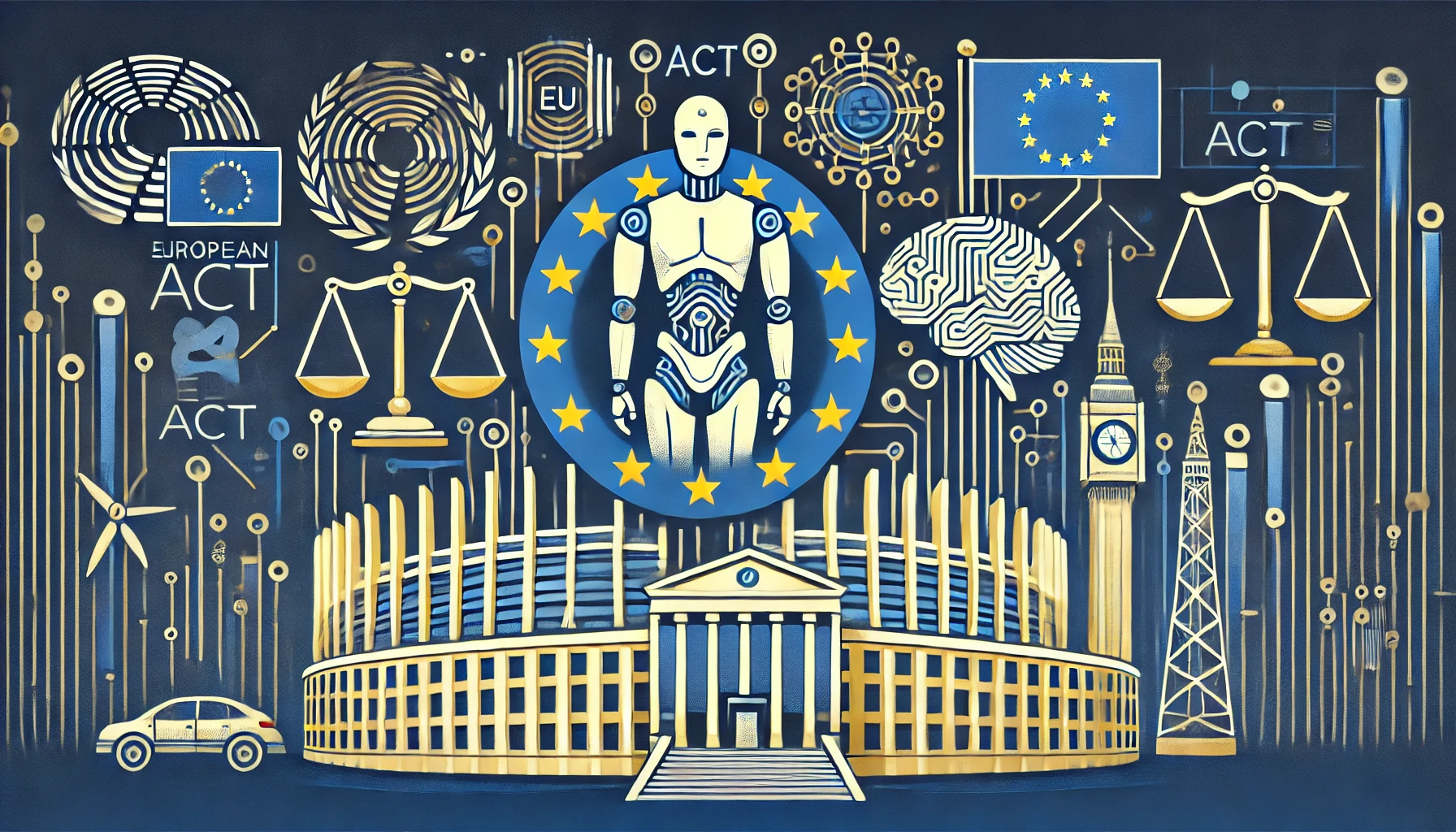
The European Union (EU) AI Act aims to foster trustworthy AI by mandating compliance from all enterprises, including SMEs. This Act impacts SMEs by requiring adherence to ethical guidelines and transparency, making it crucial to understand and navigate these regulations. The European Commission (EC) has released various provisions for SMEs and startups along with the AI Act to ease its effects, boost innovation and enable opportunities to assist these businesses with their compliance efforts. Small and medium-sized enterprises (SMEs) must understand these provisions and how to leverage them to foster innovation and ensure compliance.
With the rise of AI technologies, the European Union (EU) has introduced the AI Act to ensure ethical guidelines and transparency. The Act, the first comprehensive law for AI, mandates compliance from large enterprises to SMEs. Early action by SMEs will ensure compliance and foster trustworthy AI development. SMEs must understand how to navigate this new regulation and the provisions made for them by the EU.
Managing customer support across multiple channels and providing quick feedback can be challenging. Businesses can use help desk management software powered by AI to manage customers across all channels, enhance customer service efficiency and improve customer retention.
AI mobile applications are becoming commonplace on smartphones but some mobile applications require models to reside on cloud servers for high accuracy and intensive inference. This is impractical for SMEs due to high model hosting and inference costs. Instead, an SME’s IT team should reduce costs by implementing edge AI using their mobile applications and model quantization.