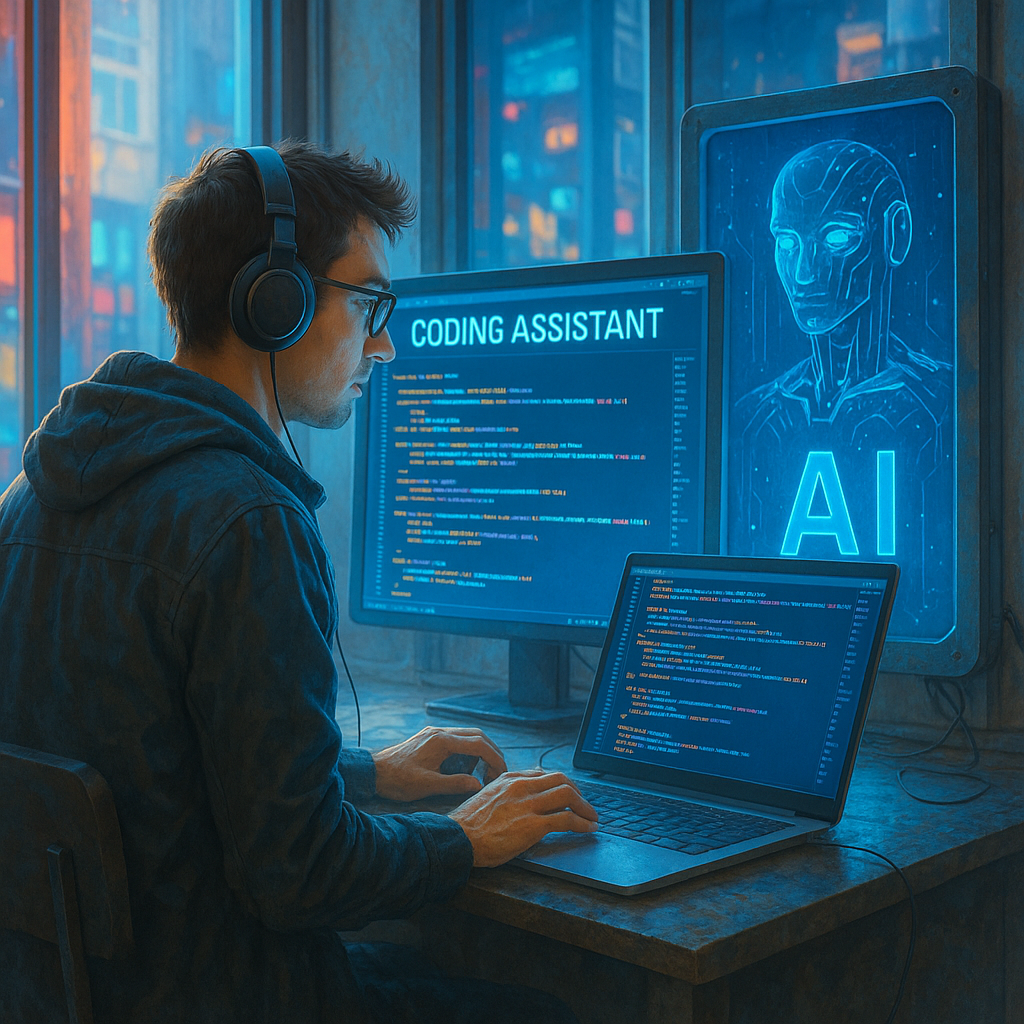


AI has sped up software delivery, but it is also exposing API keys and other sensitive information. If this trend continues, businesses are basically doing half the job for bad actors and making it easier for exploitation to occur. CISOs and IT leaders must pair AI coding velocity with disciplined governance to keep their sensitive information secure.

AI coding assistants have provided great benefits for software development. Many developers have also turned to multi-agent workflows for coding that use specialized agents that collaborate to tackle complex tasks faster during software development. IT leaders and developers must carefully consider balancing complexity, cost, and strong governance when employing multi-agent workflows for coding; otherwise, this approach will fail.
Vibe coding has accelerated software development through rapid prototyping. However, the generated code may not match what is required sometimes. Spec-driven development can solve this problem by constraining AI’s creative wiggle room. CIOs and IT leaders can harness spec-driven development to ensure that AI-generated code is more consistent, accurate, and auditable.
Vibe coding accelerates development by enabling rapid prototyping and leveraging AI tools. However, this approach often leads to technical debt, including hardcoded secrets, inadequate input validation, and limited testing. It’s crucial for CIOs and IT leaders to balance speed with security to mitigate risks and ensure sustainable software practices.
AI coding assistants boost developer productivity and code quality, but they can also introduce legal landmines, such as inadvertently incorporating open-source code with incompatible licenses. CIOs and IT leaders must proactively govern AI-generated code to mitigate IP risks and ensure responsible adoption throughout the software development lifecycle.