

AI model aggregators provide convenience and cost efficiency by providing multiple AI models for a single subscription. However, it is difficult for businesses to verify if they are using an advertised model or a substitute. CIOs and IT leaders must understand this risk and implement safeguards to verify models while using these services.
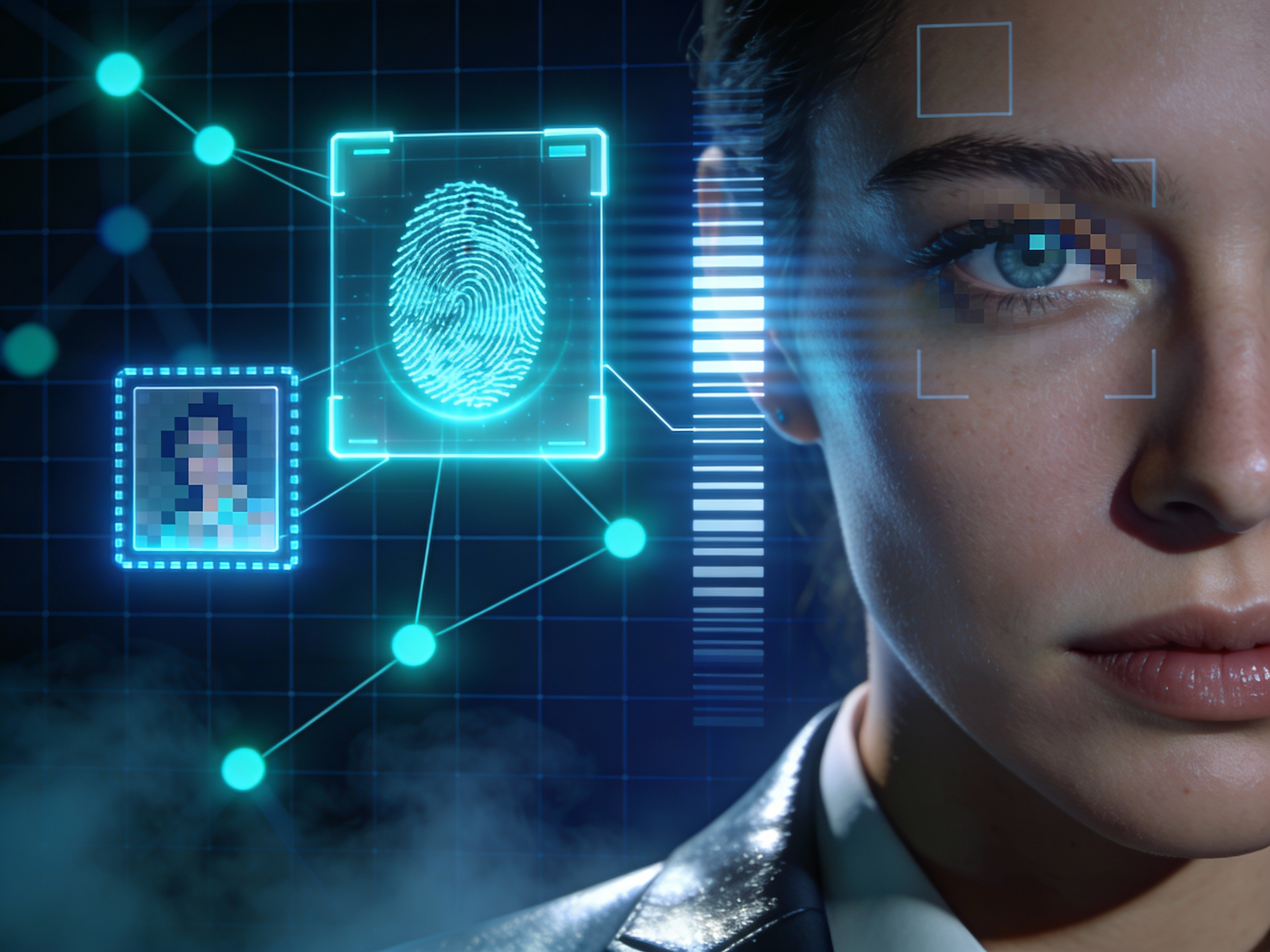
Job applicants are getting crafty by using deepfakes to disguise faces, voices, and even identities to secure remote job interviews and succeed in virtual interviews. This is a threat to businesses because bad actors can execute nefarious activities if they are hired. Chief information security officers (CISOs) and HR leaders must put measures in place to detect this deception and protect their business from digital fraud.
The continuous improvements in AI have led to their rise in use as a tool to commit insurance fraud. This causes insurance companies to lose money and increase premiums to cover the costs of paying out fraudulent claims. CTOs and cybersecurity leaders in the insurance industry must implement fraud detection methods to combat AI and deepfakes.
Generative Adversarial Networks (GANs) can create realistic fake IDs that bypass weak AI KYC checks. This gives bad actors access to systems and can lead to an increase in fraud and money laundering. Information security officers must be aware of this risk and the solutions to detect AI generated IDs.